EEG (Neurofeedback)
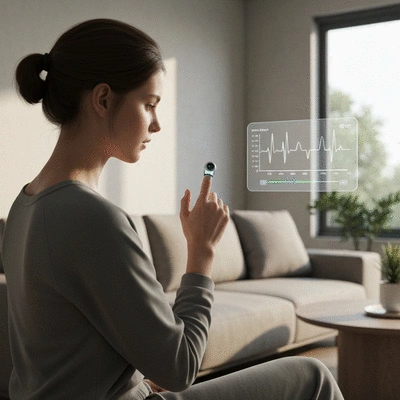
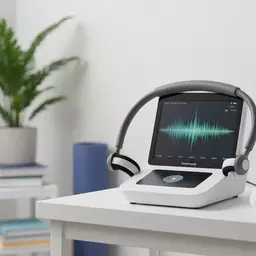
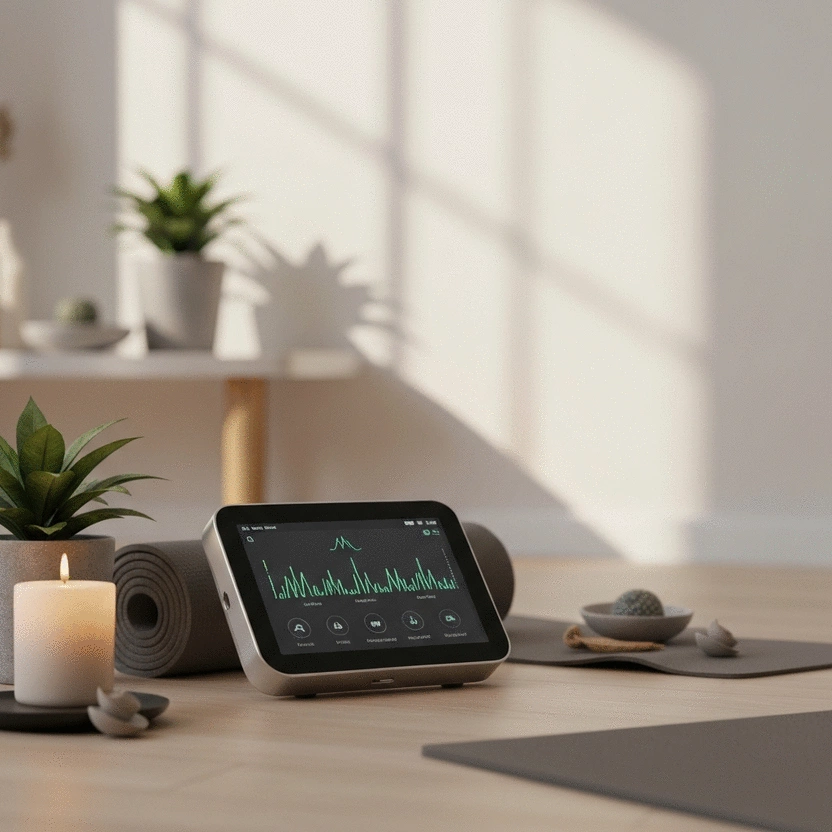
What it does: Measures brain wave activity in real-time.
Applications:
- Anxiety & ADHD management
- Promotes mental clarity
- Improved emotional regulation
Welcome to Healthy in Mind and Body! Discover your path to holistic wellness.
Dec 12
Are you ready to take control of your health and well-being? Biofeedback offers a unique opportunity to understand your body's signals and improve your mental and physical health. Let's explore the key insights that you can gain from this transformative technique!
Biofeedback is a powerful tool for self-regulation, offering real-time insights into various physiological functions. The techniques below highlight how different biofeedback methods can be applied to improve mental and physical health.
What it does: Measures brain wave activity in real-time.
Applications:
What it does: Measures time variations between heartbeats.
Applications:
What it does: Measures muscle tension and activity levels.
Applications:
What it does: Guides control over breath patterns.
Applications:
At Healthy in Mind and Body, we believe in empowering individuals to take charge of their health, and one fascinating way to do this is through biofeedback. This technique provides real-time data on your physiological functions, making it easier for you to learn how to self-regulate your body's responses. Imagine being able to see how your stress levels fluctuate or how your heart rate responds to different stimuli. That’s the beauty of biofeedback!
Essentially, biofeedback teaches you to recognize the signals your body is sending. This awareness can lead to significant improvements in managing stress, anxiety, and even chronic pain. It's like having a personal coach that guides you in understanding your body's language!
So, what exactly is biofeedback? It’s a therapeutic technique that uses electronic monitoring devices to measure physiological functions such as heart rate, muscle tension, or brain activity. By providing this data, biofeedback allows you to see how your body reacts in real time, helping you develop strategies to improve your mental and physical health. The Mayo Clinic provides a comprehensive overview of how biofeedback works.
Through consistent practice, you can learn to modify your body's responses to various stressors and triggers, allowing you to foster a more balanced state of health.
Biofeedback tools work by translating your physiological signals into measurable feedback. For example, devices like heart rate monitors, electromyography (EMG) sensors, and EEG (electroencephalography) machines can provide insights into what’s happening inside your body. These devices measure stress indicators, such as tension in muscles or fluctuations in heart rate, and present them visually, so you can see your progress.
Consider the common EEG device. It measures brain wave activity and presents it in real-time, allowing for immediate feedback on how your thought patterns might influence stress or relaxation. With this knowledge, you can work on specific mental exercises that promote a more serene state of mind. For more detailed information on its mechanisms, the Cleveland Clinic offers further insights into the science of biofeedback.
One exciting application of biofeedback lies in EEG and neurofeedback, particularly useful for conditions like anxiety and ADHD. This method helps train your brain to function more efficiently by teaching you to recognize your brain wave patterns. Imagine learning to redirect your focus during moments of anxiety!
Many individuals have reported improved emotional regulation and concentration after engaging in neurofeedback sessions. It’s a powerful way to harness the mind-body connection! A study published by the NCBI further explores the efficacy of biofeedback in clinical settings.
Another fantastic tool is Heart Rate Variability (HRV) biofeedback, which focuses on the relationship between your heart rate and breathing. This technique can help manage stress and improve emotional regulation by training your body to respond more calmly in stressful situations.
With consistent practice, many users find that they can navigate daily stressors much more effectively, transforming their overall quality of life.
Electromyography (EMG) biofeedback is particularly helpful for those recovering from injuries or dealing with chronic pain. This technique measures muscle tension and helps individuals learn how to relax specific muscle groups, which can alleviate pain and improve strength.
By integrating EMG biofeedback into your recovery plan, you can enhance your rehabilitation efforts and reduce discomfort effectively.
Lastly, breathing biofeedback methods focus on teaching individuals how to control their breath to enhance relaxation and mindfulness. This approach can be incredibly beneficial, especially in our fast-paced world where stress levels often rise.
By connecting your breath with your body’s physiological responses, you create a calming effect that can improve your overall state of well-being.
Have you ever tried biofeedback or similar techniques? We’d love to hear about your experiences! Share how it has impacted your mental and physical health:
At Healthy in Mind and Body, we believe in the transformative power of biofeedback tools! By harnessing the insights provided through these techniques, individuals can experience a wealth of benefits that significantly enhance their overall wellness. Here are some key advantages:
As you explore the world of biofeedback, you’ll discover how these tools can seamlessly integrate into your holistic health journey, supporting both mental and physical wellness!
Are you ready to take charge of your health? It’s time to reflect on your individual mental and physical health needs. Here are some steps you can take to explore biofeedback options:
By taking these steps, you’ll be well on your way to embracing the potential of biofeedback tools. Remember, your wellness journey is personal, and I’m here to support you as you explore these empowering techniques!
Here is a quick recap of the important points discussed in the article:
Holistic Health Advocate. Integrative Wellness Expert. Mind-Body Practitioner.
Sophie M. Renfield is dedicated to exploring alternative therapies that enhance both physical and mental well-being, empowering wellness seekers to make informed choices. Join her on Healthy in Mind and Body for evidence-based guides and insights that harmonize your health journey and foster sustainable well-being.
Holistic Health Advocate. Integrative Wellness Expert. Dedicated to mind-body harmony.
Sophie M. Renfield, through Healthy in Mind and Body, is dedicated to exploring alternative therapies that enhance both physical and mental wellbeing, empowering wellness seekers to make informed choices for their health journeys. Join her on our blog for evidence-based guides and integrative health insights that harmonize your mind, body, and spirit and enhance your overall well-being.