Device Types
- •Wearable: Smart rings, wristbands (track sleep, HR)
- •Non-Wearable: Sleep masks, sound machines (create environment)
Welcome to Healthy in Mind and Body! Discover your path to holistic wellness.
Apr 12
What if improving your sleep was as simple as wearing a device? Mind-body devices are transforming how we approach restfulness by monitoring and enhancing our sleep. Let's delve into some key takeaways that will empower you to make informed decisions about these innovative tools.
Mind-body devices for sleep are categorized into wearables and non-wearables, with their effectiveness often validated through scientific studies and user experiences.
Polysomnography (PSG) studies validate effectiveness, showing significant improvements in sleep quality.
User testimonials and real-life experiences offer valuable insights into device performance.
In today's fast-paced world, achieving restful sleep can feel like a daunting challenge! That's where mind-body devices come into play. These innovative tools are designed to enhance sleep quality and promote relaxation, helping you tune into your body's needs. But what exactly are they? Let's explore the different types of mind-body devices and how they work. It's important to remember that while technology can assist, maintaining good sleep hygiene is paramount for overall well-being, as highlighted by resources like the Harvard Medical School's Division of Sleep Medicine.
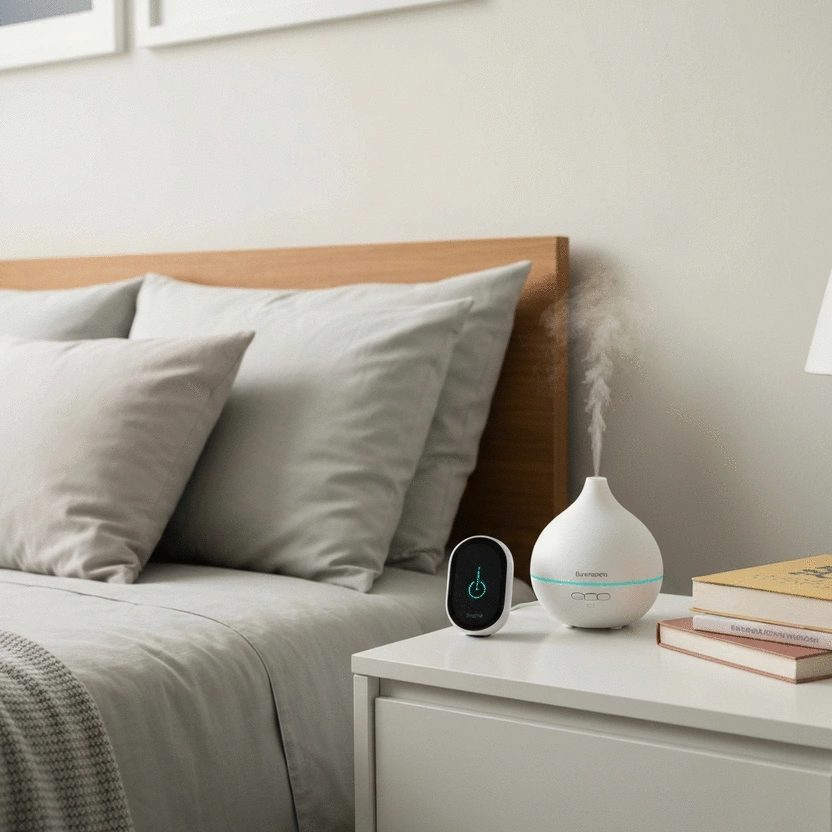
Mind-body devices can be categorized into two main types: wearable and non-wearable. Wearable devices, such as smart rings and wristbands, track your sleep patterns, heart rate, and even your movements while you sleep. On the other hand, non-wearable devices include items like sleep masks and sound machines, which create a conducive sleep environment.
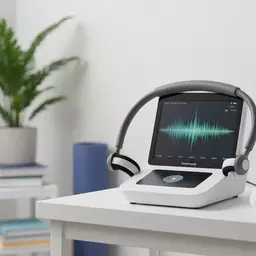
The technology behind these devices varies. Many use EEG (electroencephalography) to measure brain waves, while others utilize neurostimulation techniques to promote relaxation. These methods help create an environment conducive to restful sleep, allowing you to wake up refreshed and rejuvenated.
So, how do these technologies actually improve your sleep quality? They play a vital role in monitoring and enhancing your sleep cycles. Many devices provide insights into your sleep stages—light, deep, and REM sleep—allowing you to understand your patterns better. According to the American Academy of Sleep Medicine, consumer sleep technology can be a valuable tool in supporting better sleep when used appropriately.
By analyzing this data, you can make informed adjustments to your sleep routine. Imagine waking up knowing exactly how well you slept and what factors influenced it! That's the magic of sleep technology.
When considering mind-body devices, understanding their efficacy is crucial. Scientific studies have validated many of these tools, showing significant improvements in sleep quality for users. Polysomnography (PSG), a type of sleep study, is often used to measure the effectiveness of these devices. Research from institutions like the University of Miami Miller School of Medicine indicates that while consumer sleep technology has its limits, it can indeed support better sleep.
By combining scientific validation with anecdotal evidence, you can make informed choices about which mind-body devices might best support your path to improved sleep. At Healthy in Mind and Body, we’re committed to helping you explore these options so you can find the perfect fit for your wellness journey!
Now that we've covered the fundamentals, let’s dive into a comparison of the top mind-body devices specifically designed to improve sleep.
As you explore the benefits of mind-body devices for sleep improvement, we want to hear from you! Which feature do you find most appealing in a sleep device?
Choosing the right mind-body device for sleep can feel overwhelming, but it doesn’t have to be! To help you navigate this process, I recommend considering a few key factors that align with your individual needs and preferences. Prioritizing features like relaxation techniques, ease of use, and compatibility with your existing sleep hygiene practices can make a significant difference in your experience.
Here are some important features to keep in mind:
By focusing on these factors, you can make a more informed choice that supports your journey toward better sleep!
Let’s recap the devices we’ve discussed so far, highlighting their pros and cons to further assist you in your decision-making process.
Each device has unique features that cater to different sleep needs. Finding the one that resonates with you will be crucial in enhancing your overall sleep experience!
Here are some common questions about mind-body devices for sleep improvement:
Now that you have a better understanding of the available mind-body devices for sleep improvement, it’s time to take action! You can find these devices at various online retailers, including Amazon, specialized wellness shops, or directly from the manufacturers’ websites. Make sure to read recent reviews and check return policies before making a purchase to ensure you’re making a wise investment.
Once you have your device, start by setting it up according to the manufacturer’s instructions. Take your time to understand its features and how they can best serve your sleep goals!
Remember, improving your sleep is a holistic journey! Integrating your chosen device with other sleep hygiene practices can amplify its effectiveness. Techniques such as meditation, aromatherapy, and creating a consistent nighttime routine can complement the benefits of your mind-body device.
Consider exploring some of these practices:
By adopting a personalized approach to your sleep health, you'll be well on your way to enjoying the restful nights you deserve. Let’s embark on this journey together toward better sleep and overall wellness!
Here is a quick recap of the important points discussed in the article:
Holistic Health Advocate. Integrative Wellness Expert. Mind-Body Practitioner.
Sophie M. Renfield is dedicated to exploring alternative therapies that enhance both physical and mental well-being, empowering wellness seekers to make informed choices. Join her on Healthy in Mind and Body for evidence-based guides and insights that harmonize your health journey and foster sustainable well-being.
Holistic Health Advocate. Integrative Wellness Expert. Dedicated to mind-body harmony.
Sophie M. Renfield, through Healthy in Mind and Body, is dedicated to exploring alternative therapies that enhance both physical and mental wellbeing, empowering wellness seekers to make informed choices for their health journeys. Join her on our blog for evidence-based guides and integrative health insights that harmonize your mind, body, and spirit and enhance your overall well-being.