May 30
Mind-Body Devices and Therapy Differences
What would your health journey look like if you could seamlessly integrate mind-body therapies with traditional treatments? The synergy between these approaches can lead to profound improvements in your overall well-being. Let's uncover the essential insights from this exploration of holistic wellness.
What You Will Learn
- Mind-body therapies focus on the connection between mental and physical health, enhancing emotional well-being and reducing stress.
- Practices like meditation, yoga, and biofeedback are instrumental in harnessing this mind-body connection to improve overall wellness.
- Traditional therapies primarily involve symptom management through established medical practices, emphasizing medications and surgeries.
- Alternative therapies, such as acupuncture and aromatherapy, can complement traditional methods for a more rounded approach to health.
- Integrating mind-body devices like PEMF mats with physical therapy can enhance recovery, while mindfulness can deepen the effectiveness of acupuncture treatments.
- Creating a comprehensive care plan involves identifying health concerns, researching therapies, and consulting with professionals for tailored solutions.
- Utilizing wellness apps can enhance therapy engagement by tracking progress and reminding users to practice their chosen health methods.
Integrating Mind-Body and Traditional Therapies
This visual highlights the distinctions and integration points between Mind-Body Therapies/Devices and Traditional Therapies, focusing on their core principles, common practices, and how they can be combined for comprehensive wellness.
Understanding Mind-Body Devices and Traditional Therapies
In our journey toward achieving holistic wellness at Healthy in Mind and Body, it's essential to grasp the foundational concepts of mind-body therapies and devices. These approaches focus on the intricate connections between our minds and bodies, which can significantly influence our health outcomes. Let’s explore what mind-body therapies entail and how they differ from traditional therapies.
Defining Mind-Body Therapies and Devices
What Are Mind-Body Therapies?
Mind-body therapies are practices that emphasize the connection between our thoughts, emotions, and physical well-being. They operate on the principle that our mental and emotional states can have profound effects on physical health. These therapies can help alleviate stress, enhance emotional health, and improve overall wellness. Isn’t it fascinating how our minds can impact our physical state? You can learn more about the effectiveness of mind-body interventions in various health conditions by exploring this overview of mind-body therapies.

Examples of Mind-Body Devices and Techniques
There are numerous techniques and devices designed to harness the mind-body connection. Here are a few notable examples:
- Meditation: A practice for calming the mind and focusing on the present.
- Yoga: Combines physical postures, breathing exercises, and meditation.
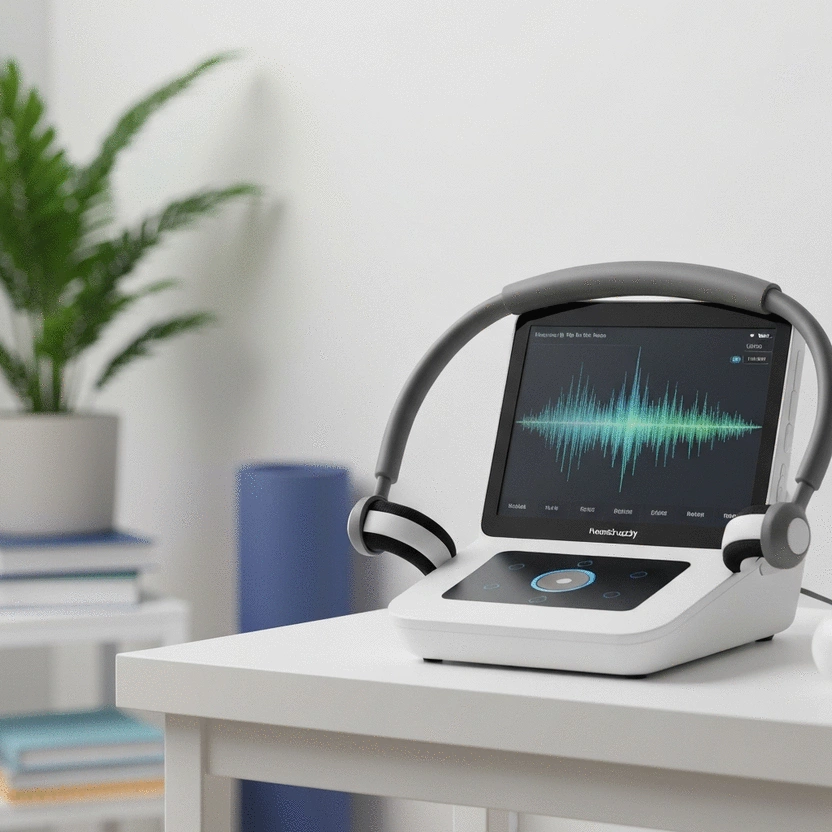
- Biofeedback: Utilizes sensors to provide real-time feedback on physiological functions.
- PEMF Mats: These mats use Pulsed Electromagnetic Fields to promote healing and relaxation.
Integrating these techniques into your wellness routine can create a powerful synergy that enhances your physical and mental health. Each method has its unique benefits, making them valuable additions to a holistic lifestyle.
Popular Mind-Body Devices: Biofeedback and Neurofeedback
When it comes to mind-body devices, biofeedback and neurofeedback stand out as noteworthy options. Biofeedback provides users with information about bodily functions, helping them learn how to control physiological responses, thereby reducing stress and anxiety. Neurofeedback, on the other hand, specifically targets brain activity, allowing users to understand and influence their mental states. Imagine being able to visualize your brain's activity and using that insight to improve your mental health! The National Institutes of Health provides further insights into the therapeutic applications of biofeedback for various health conditions.
Exploring Traditional Therapies
What Constitutes Traditional Therapy?
Traditional therapy, also known as conventional or allopathic therapy, includes established medical practices widely accepted within the healthcare community. This approach typically involves diagnosis and treatment by licensed healthcare providers. Traditional therapies focus on symptom management and often utilize medications or surgeries to address health issues.
Common Practices in Traditional Clinical Care
In traditional clinical care, several practices are commonly employed:
- Medication: Prescribing drugs to manage symptoms and diseases.
- Surgery: Performing operations to correct or remove problematic conditions.
- Physical Therapy: Rehabilitative exercises and techniques to restore function.
- Counseling: Psychological support to address mental health issues.
These practices have been developed through extensive research and clinical trials, ensuring their efficacy and safety. You can explore different approaches to therapy, including traditional counseling, through resources such as Columbia Psychiatry's insights on various therapy methods.
Alternative Therapies: Acupuncture and Aromatherapy
In addition to conventional methods, many individuals are turning to alternative therapies like acupuncture and aromatherapy. Acupuncture is an ancient Chinese practice that involves inserting thin needles into specific points on the body to promote healing. Meanwhile, aromatherapy uses essential oils to enhance physical and emotional well-being. These therapies can complement traditional treatments, offering a more rounded approach to health.
Quick Summary
Here's a brief recap of the key points discussed so far:
- Mind-Body Therapies: These practices emphasize the connection between thoughts, emotions, and physical well-being.
- Traditional Therapies: Conventional methods focus on symptom management and often involve medications or surgeries.
- Integration: Combining mind-body devices with traditional therapies can enhance overall wellness and empower individuals in their health journeys.
Integrating Mind-Body and Traditional Approaches
At Healthy in Mind and Body, we believe the best path to wellness often lies in integrating various healing modalities. Combining mind-body devices with traditional therapies can create a comprehensive care plan tailored to your unique needs. This approach not only enhances the healing experience but also empowers you to take control of your health journey!
By understanding how each modality works together, you can maximize their benefits. Let’s dive into how you can effectively weave these therapies into your lifestyle.
Frequently Asked Questions (FAQs)
- What are mind-body therapies?
- Mind-body therapies are practices that focus on the connection between your thoughts, emotions, and physical well-being, aiming to reduce stress, improve emotional health, and enhance overall wellness.
- What are some examples of mind-body devices and techniques?
- Examples include meditation, yoga, biofeedback, neurofeedback, and PEMF mats. These techniques and devices help individuals harness the mind-body connection for improved health.
- How do traditional therapies differ from mind-body therapies?
- Traditional therapies are established medical practices that focus on diagnosing and treating specific health issues, often through medication, surgery, physical therapy, or counseling. Mind-body therapies, conversely, focus on the interplay between mental and physical states.
- Can alternative therapies like acupuncture and aromatherapy be integrated with traditional treatments?
- Yes, alternative therapies such as acupuncture and aromatherapy can complement traditional treatments, offering a more holistic and rounded approach to health.
- How can I create a comprehensive care plan that integrates both approaches?
- To create a comprehensive care plan, identify your health concerns, research relevant mind-body devices and traditional therapies, consult with healthcare professionals, and continuously monitor and adjust your plan as needed.
Creating a Comprehensive Care Plan
When crafting a care plan, it's essential to consider your specific health challenges and goals. Here's a simple structure you can follow:
- Identify your primary health concerns or symptoms.
- Research mind-body devices and traditional therapies that address these issues.
- Consult with health professionals to create a balanced plan that incorporates both modalities.
- Monitor your progress and make adjustments as necessary.
This method ensures you’re not only addressing symptoms but also promoting overall wellness. As you combine mind-body devices like biofeedback with traditional methods, you'll likely notice a more holistic improvement in your health.
Combining Mind-Body Devices with Traditional Therapies
Integrating these approaches can be incredibly effective. For instance, using a PEMF mat alongside physical therapy can enhance recovery by improving circulation and reducing inflammation. Similarly, practicing mindfulness meditation while undergoing acupuncture may help deepen relaxation and increase the treatment's effectiveness!
Here are a few more examples of how to blend these therapies:
- Use of neurofeedback to train your brain while engaging in traditional counseling.
- Incorporating aromatherapy during biofeedback sessions to enhance relaxation.
- Following yoga sessions with conventional chiropractic care for holistic support.
Step-by-Step Guide for Users by Condition
To personalize your integrated approach, consider these steps based on common health conditions:
- Stress and Anxiety: Combine mindfulness meditation with cognitive-behavioral therapy (CBT).
- Chronic Pain: Use PEMF mats alongside traditional pain management strategies.
- Sleep Disorders: Utilize relaxation techniques and sleep-focused biofeedback tools.
These steps serve as a guideline, but remember, everyone's journey is different! Tailoring your approach will ensure it resonates with your unique experience.

Utilizing Wellness Apps for Enhanced Therapy Engagement
Don’t forget about the power of technology! Many wellness apps can help you track your progress and enhance engagement with your therapies. Apps designed for meditation, biofeedback, and even health journaling provide valuable resources at your fingertips. They can remind you to engage in your practices and reflect on your journey, making the healing process interactive and fun!
By integrating these tools into your routine, you will feel more connected to your wellness journey. So, explore apps that align with your chosen therapies and make the most of your integrated approach!
Recap of Key Points
Here is a quick recap of the important points discussed in the article:
- Mind-body therapies focus on the connection between thoughts, emotions, and physical health.
- Examples of effective mind-body techniques include meditation, yoga, biofeedback, and PEMF mats.
- Traditional therapies typically involve medication, surgery, physical therapy, and counseling for symptom management.
- Alternative therapies, such as acupuncture and aromatherapy, can complement traditional treatments.
- Creating a comprehensive care plan involves identifying health concerns, researching therapies, and consulting with professionals.
- Integrating mind-body devices with traditional therapies can enhance overall wellness and recovery.
- Utilizing wellness apps can help track progress and enhance engagement with chosen therapies.

Sophie M. Renfield
Holistic Health Advocate. Integrative Wellness Expert. Mind-Body Practitioner.
Sophie M. Renfield is dedicated to exploring alternative therapies that enhance both physical and mental well-being, empowering wellness seekers to make informed choices. Join her on Healthy in Mind and Body for evidence-based guides and insights that harmonize your health journey and foster sustainable well-being.